Houdini Render Engines Compared: Karma XPU, Karma CPU, Redshift and Mantra
Choosing a renderer for Houdini today is very different from choosing one three years ago. Karma has become SideFX’s main rendering path, while Mantra has moved into a legacy role. The right choice still depends on the scene and production setup. For this Houdini render engine comparison, four factors matter most: the shaders you rely on, whether your pipeline is built around USD, the hardware already available, and your licensing constraints. The best renderer is the one that fits your pipeline, not necessarily the one with the best benchmark. Karma XPU suits modern GPU-based workflows, Karma CPU fits projects that need broader CPU compatibility, Redshift remains attractive for established GPU pipelines, and Mantra is mainly relevant when maintaining older Houdini projects.
Which Houdini Renderer Should You Use?
There is no single winner in this Houdini render engine comparison. Start with your shader requirements, then consider USD integration, available hardware, and license costs before choosing a renderer.
For a modern USD pipeline, Karma is the natural starting point. If your workflow already depends heavily on GPU rendering, Redshift remains a strong option. For older projects built around Mantra, keeping the existing renderer can still make more sense than rebuilding the pipeline.
The Four Questions That Decide It
The first question is about your shaders. VEX is Houdini’s shading language, which gives artists detailed control over procedural and rendering-related logic. Principled Shader is a physically based material designed for common surface types. MaterialX is an open material description standard that works well with modern USD-based workflows.
The second question is whether your pipeline already uses USD and Solaris. USD is a scene description framework that organizes geometry, materials, cameras, lights, and other scene data. Solaris is Houdini’s USD-based environment for building, lighting, look development, and managing complex scenes.
Your hardware matters too. If your GPU has limited VRAM, a renderer that can rely more heavily on CPU memory may be easier to manage.
Finally, check licensing before choosing Redshift. If you need a separate license, include its cost and who will manage it.
Karma CPU: the safe default inside Houdini
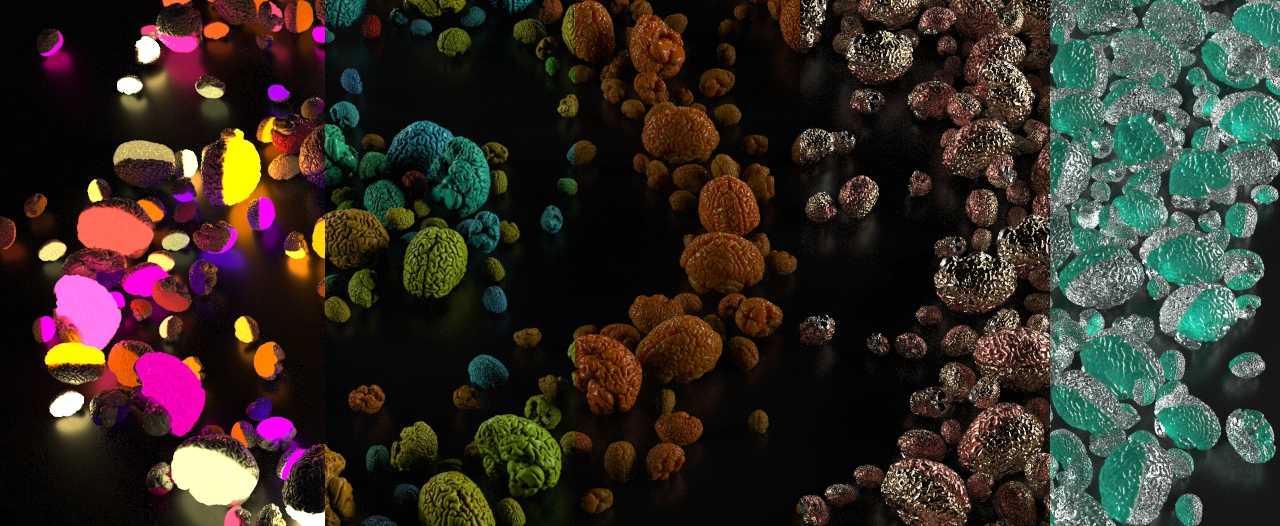
According to SideFX’s documentation, Karma provides two rendering engines: Karma CPU, which runs entirely on the CPU, and Karma XPU, which uses the CPU while also taking advantage of GPU resources and hardware acceleration. Karma CPU has broader shader support, making it a dependable choice for many Houdini scenes.
I would choose Karma CPU when a scene is too large for the available VRAM or when the project still relies on VEX shaders. It also avoids making GPU memory the main limitation.
For a deeper comparison, see Karma CPU vs Karma XPU: Which One for Your Shot?
Karma XPU: fast, native, and pickier about shaders
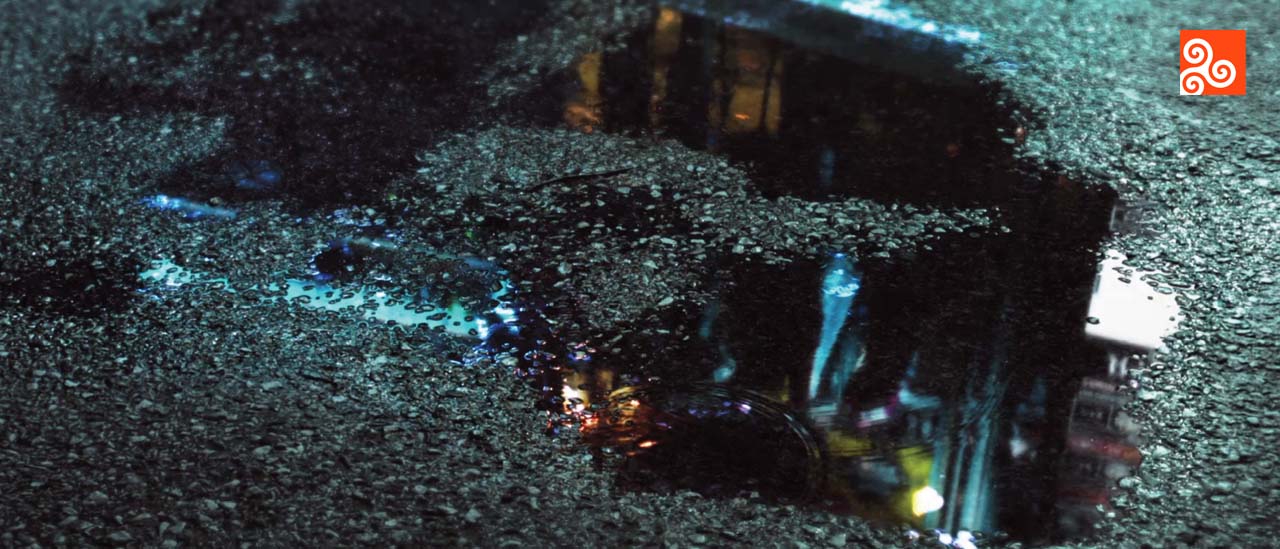
Karma XPU uses CPU resources while also taking advantage of GPU resources and hardware acceleration, making it attractive when fast interactive rendering is a priority.
The shader limitation needs to be clear. SideFX states that Karma XPU does not support shaders based on VEX, and it also does not support the Principled Shader. XPU currently works with supported USD materials such as USD Preview Surface and MaterialX. The Material Library’s automatic shader preview can make Principled materials appear compatible, which is a common source of confusion.
Shader compilation can also add noticeable startup time, especially in larger scenes. For practical ways to reduce this delay, see Karma XPU Shader Compiling Takes Forever: What You Can Actually Do.
Redshift: speed and out-of-core, with a separate license
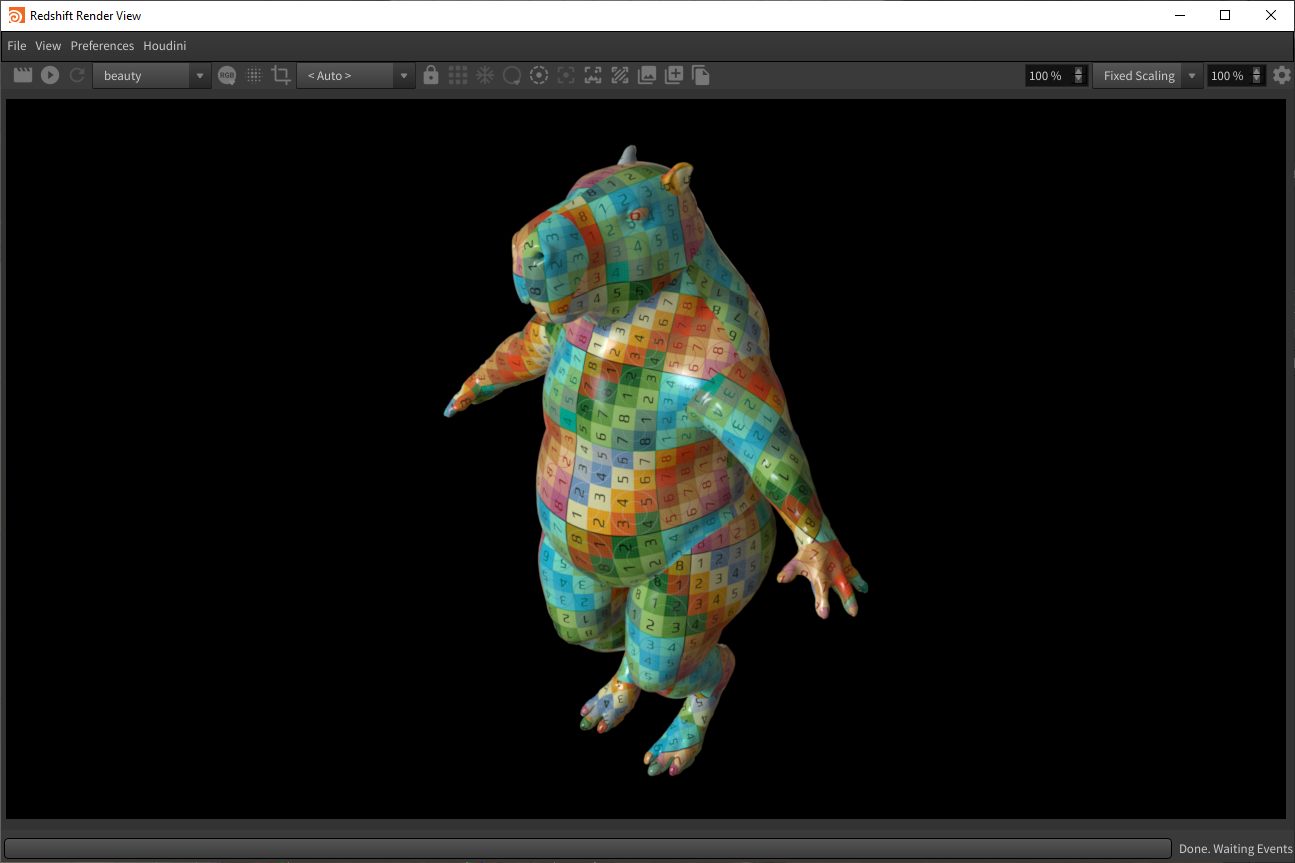
Redshift is a GPU-focused renderer built for speed, and its strong out-of-core capabilities allow textures and geometry to be moved to system RAM when GPU memory becomes a limitation.
The main consideration is licensing. Redshift requires its own license in addition to Houdini, so its cost needs to be included when comparing render engines and workstation setups.
For a deeper look at its memory handling and performance, see our guide, Redshift for Houdini: Out-of-Core, VRAM Limits and When It Beats Karma.
Mantra: where legacy scenes stand today
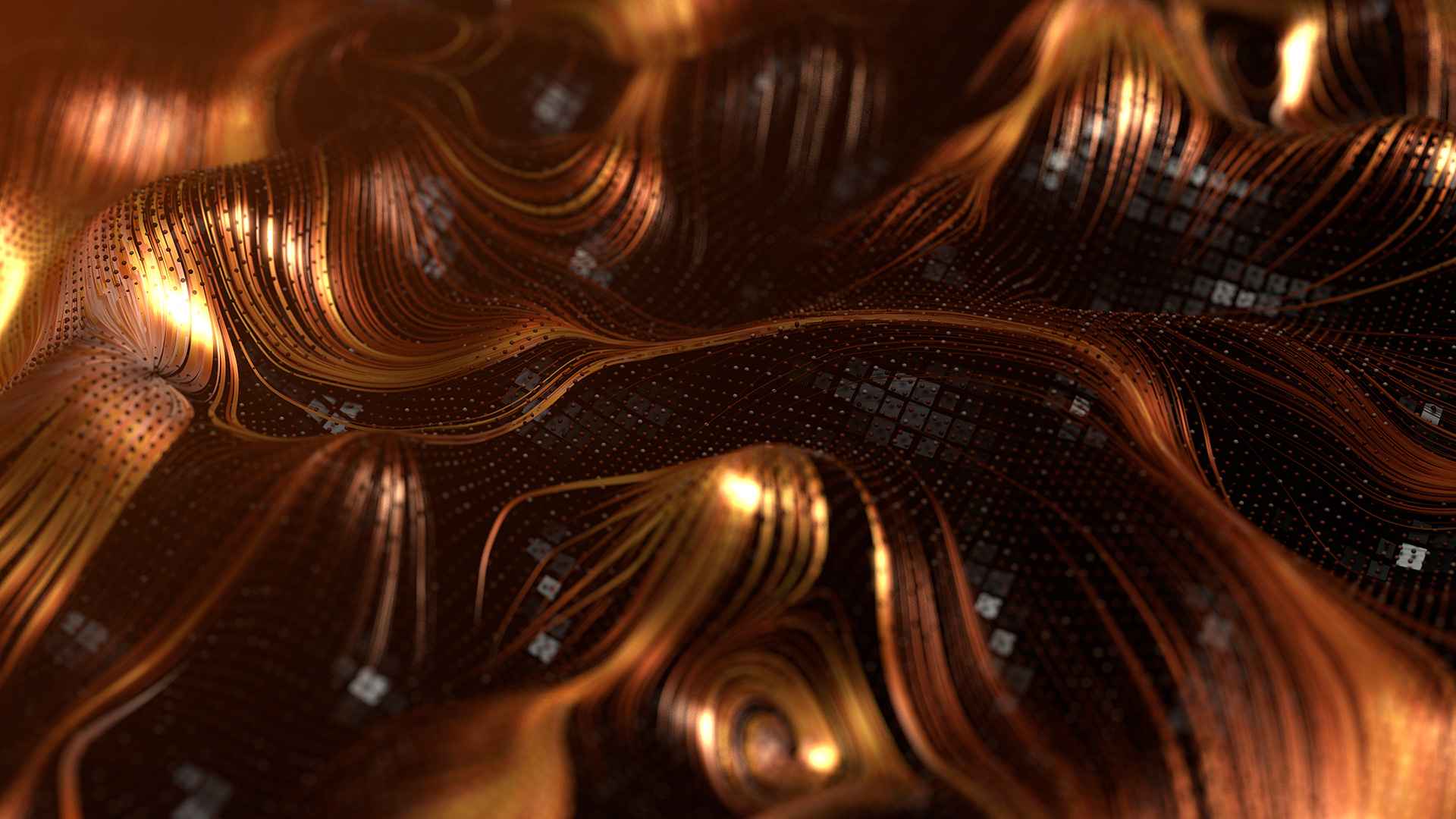
Mantra is an older renderer built around VEX, but it still has practical value when you need to maintain or render existing projects.
Karma is now the main renderer being developed for Houdini, while Mantra remains usable for legacy scenes. Its future is less certain, so new projects generally have stronger reasons to consider Karma. For existing productions, however, keeping Mantra can still be the most practical approach. See Is Mantra Dead? What to Do With Legacy Mantra Scenes in 2026 for a deeper discussion.
What each engine needs from a machine
Karma CPU and Mantra benefit most from a multi-core CPU and plenty of system RAM.
Karma XPU needs both CPU and GPU resources, along with compatible drivers and CUDA support.
Redshift relies heavily on GPU performance and VRAM, while system RAM becomes important for out-of-core workloads.
For this Houdini render engine comparison, a workstation with both a strong CPU and GPU provides more flexibility. Services such as iRender offer machines with strong CPU and GPU configurations, making it possible to work with different renderers and Houdini versions without changing your local hardware.
| Renderer | Runs on | Shader support | Best suited for |
| Karma CPU | CPU | Broader support than XPU, including many shaders that XPU does not support | Scenes that exceed VRAM limits, use legacy-style shaders, or require consistent results |
| Karma XPU | CPU + GPU | MaterialX and built-in USD materials, NO VEX support | USD and Solaris pipelines, MaterialX shaders, and systems with a capable GPU |
| Redshift | GPU | Mature, dedicated shader system | Projects that prioritize speed and out-of-core rendering and can accommodate a separate license |
| Mantra | CPU | VEX and legacy shader workflows | Existing projects that were already built with Mantra |
iRender: Cloud workstation customized for Houdini
For Houdini projects, iRender can provide a cloud workstation that gives you direct control over the rendering environment. Because you rent the entire machine and install the software yourself, you can set up the renderer and Houdini version that your project actually needs instead of working from a fixed support list. Our RTX 4090 with 24GB VRAM is suitable for Karma XPU and Redshift, while 256GB of RAM and an AMD Threadripper Pro CPU give Karma CPU and Mantra plenty of system resources. Karma XPU is a hybrid renderer, so a reliable setup also needs a capable CPU, a suitable GPU, and the correct driver and CUDA versions. This level of control is useful when comparing options in a Houdini render engine comparison.
The main consideration is setup and machine time. You need to install Houdini and your chosen renderer, and you must provide your own software licenses because we do not supply third-party licenses. Billing starts when the machine is powered on, and idle time is still charged, so prepare your scene before starting the machine and use Schedule shutdown feature when needed. The first setup can take around 15 to 30 minutes, while later sessions become faster if you save a machine image. New users can also use the 100% first-deposit bonus when testing the setup.
Check out some of iRender tests on RTX 4090:


FAQ
Q: Which render engine is best for Houdini?
There is no single renderer that is best for every Houdini project. We would choose based on four factors: your shaders, whether the pipeline uses USD and Solaris, the hardware available, and licensing requirements. Karma XPU is fast and closely integrated with Solaris, but it supports fewer shader types. Karma CPU is more flexible, while Redshift offers strong GPU performance and out-of-core rendering with a separate license.
Q: Does Karma XPU support VEX shaders?
No. SideFX states that Karma XPU will not support VEX-based shaders, because they are not designed for the restricted GPU execution model used by XPU. XPU is built around MaterialX and supported USD materials instead. If your scene still relies heavily on VEX shaders, Karma CPU is generally the more suitable choice because it offers broader shader compatibility.
Q: Is Redshift faster than Karma for Houdini?
Redshift can be very fast for GPU-based workloads and has strong out-of-core support when a scene exceeds available VRAM. However, it requires a separate license, which adds to the overall cost. Karma XPU is more closely integrated with Solaris and USD and does not require a third-party renderer license. For a useful comparison, test both engines with your actual scenes rather than relying only on general benchmarks.
Register an account on iRender to claim your 100% bonus for the first deposit and render without limitations.
iRender – Maximum Speed – Absolute Freedom.

Related Posts
The latest creative news from Houdini Cloud Rendering