Published: · Updated:
Maya Keeps Crashing While Rendering? How to Find the Cause and Fix It (2026)
Most Maya render crashes trace back to the graphics driver, the viewport, broken file paths, preferences or memory. A batch render test tells you quickly which side of the problem you are on.
- Test a batch render. A batch render has no UI. If it works while rendering in the UI crashes, look at the viewport, Render View and OpenGL side.
- Update the GPU driver. Autodesk ties most rendering and playblast crashes to the graphics card; Arnold GPU also has a minimum driver.
- Reset preferences. A corrupted preferences folder is a common cause and is quick to rule out.
- Fix file paths. Use the File Path Editor to find missing textures, caches and references.
- Change viewport settings. Switch the rendering engine, set Evaluation mode to DG or Material Loading to Deferred.
Maya can crash during rendering for very different reasons, and the fix depends on which part fails: the Maya interface, the renderer, the scene data or the hardware. This guide starts with a quick test that splits those cases, then walks through the fixes Autodesk recommends, in the order that saves the most time. The steps apply to Maya 2025 and 2026 with Arnold, and most of them to other renderers too.
First, find out which part is crashing
Arnold’s support team uses a simple test: a batch render has no UI, so if Batch Render or the command-line renderer finishes while rendering from the Render View crashes, the problem is on the interactive side (viewport, Render View, OpenGL or a UI plug-in). If the batch render crashes too, look at the scene, the renderer, the driver and memory. Keep the render log: it usually shows the last thing the renderer did before it stopped.

With that split in mind, work through the fixes below. The first three cover the most common causes and take only a few minutes each.
1. Update the graphics driver
Autodesk’s support article on render and playblast crashes says these issues are most frequently tied to the graphics card, and lists the steps in order: update the graphics driver, confirm the computer meets Maya’s system requirements, confirm the card is certified, then reset Maya’s preferences. For Arnold GPU there is also a hard minimum: the Arnold system requirements ask for NVIDIA driver 582.16 or higher on Windows (580.126 on Linux), and say older drivers are not supported and will cause crashes.
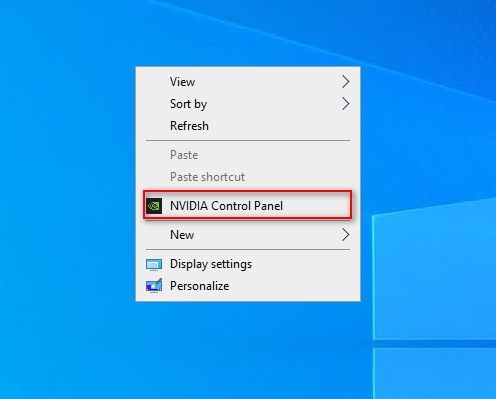
To check the installed version, open NVIDIA Control Panel and choose System Information. NVIDIA Studio drivers are made for creative applications and are a sensible default for Maya.
2. Update Maya and the renderer plug-in
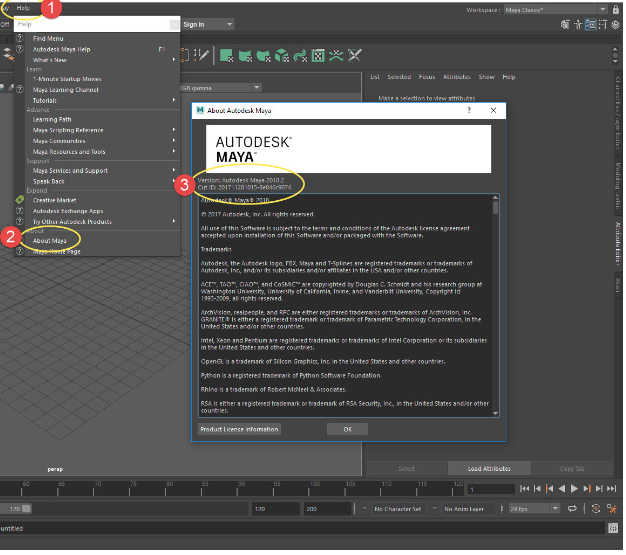
Check your Maya version under Help › About Maya, then install the latest update for that version from your Autodesk account, together with the matching renderer plug-in (MtoA for Arnold). Crashes fixed in a later update are a common reason a scene renders on one machine and not another.
If updating does not help, do a clean reinstall: uninstall Maya and the renderer, remove leftover program folders, restart, and install again before restoring any custom scripts or plug-ins.
3. Reset Maya preferences
Resetting preferences is the last step in Autodesk’s list before deeper troubleshooting, and it is quick. Close Maya, rename the preferences folder for your version (on Windows it is under Documents\maya\<version>\prefs) to keep a backup, then start Maya so it creates default preferences. If the crash is gone, copy back only the parts you need, such as shelves or hotkeys.
4. Check for missing textures, caches and references
Missing or broken file paths can make a render unstable, especially with caches and references. Open Windows › General Editors › File Path Editor, look for missing files and repath them to the correct folders. When you move a project to another machine or a render server, set the project and use relative paths so every file is found.

5. Change Viewport 2.0 and evaluation settings
If the batch render works but rendering in the UI crashes, the viewport is the first suspect. Autodesk’s Troubleshoot Viewport 2.0 page suggests setting Evaluation mode to DG in the Animation preferences, setting Material Loading Mode to Deferred, and resetting the viewport with the MEL command ogs -reset;. You can also change the Viewport 2.0 rendering engine under Preferences › Display between DirectX 11 and the OpenGL modes to see whether one is stable on your card.
The chart below sums up the symptoms covered so far and the first thing to change for each one.
Crash Symptoms and First Fixes
Change one thing at a time and re-test the same frame. Keep the render log from each attempt.
| Symptom | Likely cause | First fix |
|---|---|---|
| Crash only when rendering in the UI | Viewport / OpenGL | Evaluation mode (DG, Deferred), Viewport 2.0 engine |
| Crash in batch render too | Scene, driver, memory | Driver, File Path Editor |
| Crash when Arnold GPU starts | Driver below minimum | Driver 582.16+ (Windows) |
| Crash after a Maya update | Old preferences, plug-ins | Reset preferences |
| Crash on large frames or many textures | RAM or VRAM full | Lower texture size, more memory |
| Batch render stops with a license error | Not a crash: Arnold license | License or Render Sequence |
One case looks like a crash but is not: since MtoA 5.4.0, an Arnold batch render that fails its license check aborts by default instead of finishing with a watermark. Batch rendering needs an Arnold license; Render Sequence inside Maya does not.
6. Check memory: system RAM and GPU VRAM
Heavy scenes can run out of system memory or, with GPU rendering, out of memory on the graphics card. Watch Task Manager while the frame renders. If memory fills up, reduce texture resolution or use tiled .tx textures, remove hidden objects from the render, lower subdivision on distant objects, or render on a machine with more memory. With GPU renderers, the scene has to fit in the memory of each GPU.
When your own machine is the limit
If the crashes come down to hardware, such as too little VRAM, an older card or a driver you cannot update, a cloud workstation lets you render the same scene on newer GPUs without changing your workflow.
On iRender, Maya is not pre-installed: install your Maya version and renderer with your own licence, upload the project to iRender Drive with relative paths, check the driver version, and render as you do at home. The server image is saved between sessions.
FAQ
1. Why does Maya crash when I render?
Autodesk ties most rendering and playblast crashes to the graphics card and driver. Other common causes are corrupted preferences, missing files, viewport settings, running out of memory and outdated Maya or renderer versions.
2. How do I know if the crash is caused by the Maya UI?
Run a Batch Render. It has no UI, so if it finishes while rendering from the Render View crashes, the cause is on the interactive side: viewport, Render View, OpenGL or a UI plug-in.
3. Which NVIDIA driver do I need for Arnold GPU?
Arnold currently requires driver 582.16 or higher on Windows and 580.126 or higher on Linux for GPU rendering and the OptiX denoiser. Older drivers are not supported and can crash.
4. How do I reset Maya preferences?
Close Maya, rename the preferences folder for your Maya version to keep a backup, and restart Maya so it creates default preferences. Copy back only what you need once the crash is gone.
5. Can Viewport 2.0 settings make Maya crash during rendering?
Yes, when rendering from the UI. Autodesk suggests setting Evaluation mode to DG, Material Loading Mode to Deferred, resetting the viewport with ogs -reset, or trying another rendering engine.
6. My Arnold batch render stops with a license error. Is that a crash?
No. Since MtoA 5.4.0, batch renders abort on a license error by default instead of adding a watermark. Batch rendering needs an Arnold license; Render Sequence inside Maya does not.
7. Can I render my Maya scene on iRender if my PC keeps crashing?
Yes. Install your Maya version and renderer with your own licence on an RTX 4090 or RTX 5090 server, upload the project with relative paths, and render as you do on your own machine.
Render Maya on iRender
iRender is an IaaS GPU render farm: you rent a bare-metal server with 1, 2, 4 or 8 NVIDIA RTX 4090 (24 GB) or RTX 5090 (32 GB) GPUs, an AMD Ryzen™ Threadripper™ PRO CPU, 256 GB ECC RAM and a 2 TB NVMe SSD, connect by remote desktop and work on it like your own workstation, with full administrator access. Maya is not pre-installed: install your version with your own Autodesk licence, and your server image is saved between sessions.
Multi-GPU servers are billed per minute (1-GPU servers have a one-hour minimum), and sessions of 3 hours or more get 10% off. Our 4-GPU and 8-GPU servers are liquid-cooled; in our own measurements the GPUs hold 60–70°C under sustained render load. Elite support is available 7 days a week by hotline, live chat, Skype, WhatsApp and email.
Two recorded Maya runs on iRender servers:


New users get a 100% bonus on the first top-up (minimum $50). See plans on the Maya render farm page or download the iRender GPU app.